Windows 11 Animations Slowing Your PC? Fix It Now
Founder & Lead Technology Analyst at Techny Tech · IEEE Senior Member, Certified Information Systems Security Professional (CISSP) · 13+ years in embedded systems benchmarking, machine learning hardware acceleration, and consumer electronics
Windows 11 animations make my PC feel slow when your hardware can’t keep up with the visual effects. These animations rely on your CPU, GPU, and RAM, and older or budget systems often struggle with the extra load.
Microsoft’s own system requirements for Windows 11 recommend at least 4GB of RAM and a compatible GPU for smooth performance, but animations can still cause lag on mid-range setups. Let’s start with the most likely culprits.
Windows 11 animations make my PC feel slow
They tax your CPU and GPU. Older laptops or PCs with integrated graphics see the biggest slowdown. Disabling them often restores responsiveness.
A quick settings tweak can cut the load instantly.
Quick Fixes to Try First
If your PC feels sluggish, start with the easiest fixes. These take seconds and often solve the issue without digging deeper.
- Disable transparency effects: Go to Settings > Personalization > Colors and turn off Transparency effects. This reduces GPU load immediately.
- Switch to Performance power plan: Open Control Panel > Power Options and select High Performance. This prioritizes speed over power saving.
- Restart File Explorer: Press Ctrl + Shift + Esc, find Windows Explorer in Task Manager, and click Restart. This resets UI glitches.
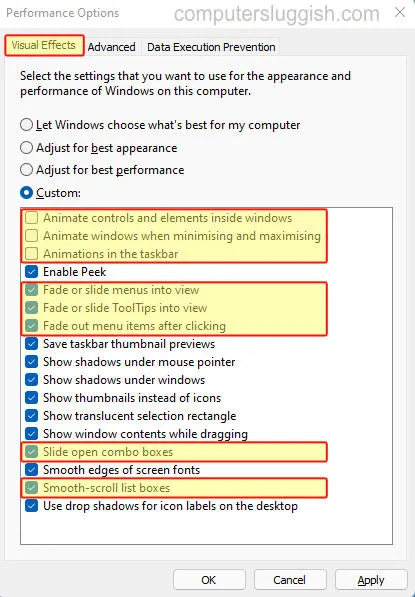
Image source: Bing (Web (fair-use with source credit))
These tweaks work for most users without sacrificing core functionality. If the problem persists, the issue might be hardware-related.
How to Diagnose the Real Bottleneck
Not all slowdowns come from animations. You need to identify what’s actually holding your system back.
Open Task Manager (Ctrl + Shift + Esc) and check the Performance tab. Look for:
- CPU usage spiking above 80% during animations
- GPU usage maxed out (common with integrated graphics)
- RAM usage near 100% (4GB or less is often insufficient)
- Disk usage at 100% (HDDs struggle with Windows 11’s demands)
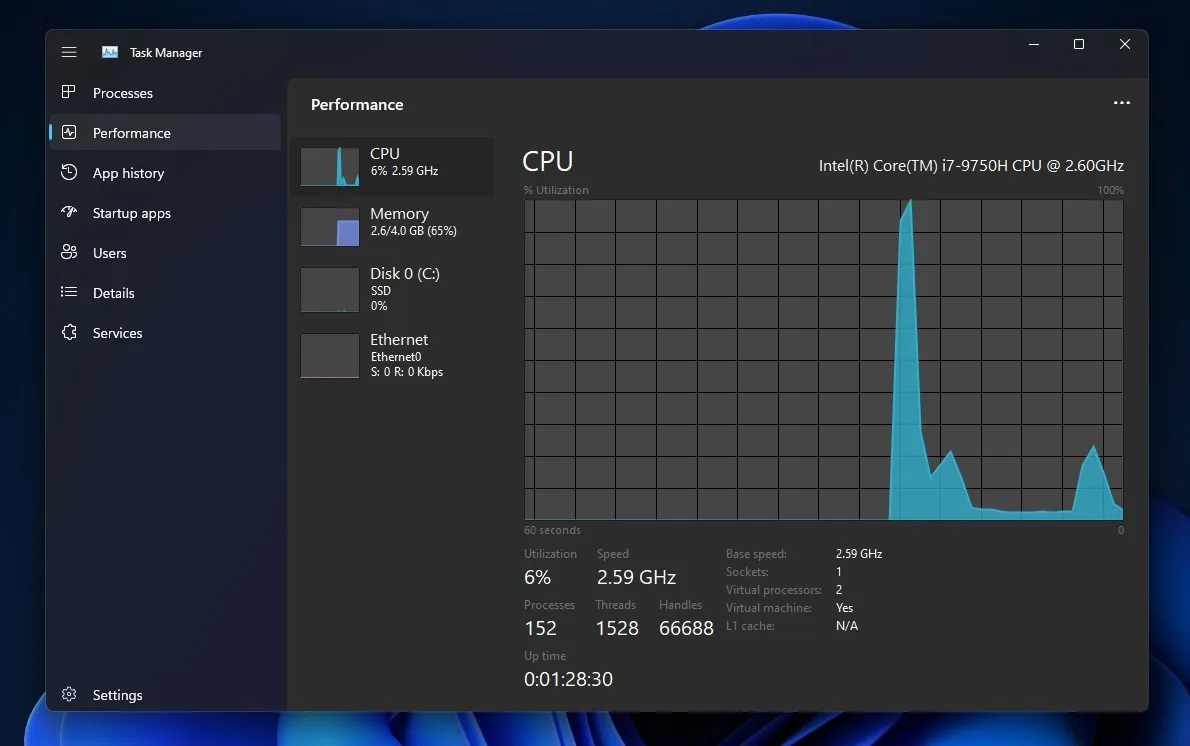
Image source: Bing (Web (fair-use with source credit))
If your CPU or GPU is the bottleneck, reducing animations will help. If RAM or disk is the issue, you may need an upgrade. As of 2026, Microsoft’s Windows 11 support page confirms these are the most common constraints.
Step-by-Step: Disable or Reduce Animations
Windows 11 lets you fine-tune animations. Here’s how to adjust them without losing all visual polish.
- Open Settings > Accessibility > Visual effects.
- Toggle off Animation effects to disable all animations.
- For a middle ground, go to System > About > Advanced system settings > Performance Settings.
- Select Adjust for best performance or manually uncheck specific animations like Animate windows when minimizing and maximizing.
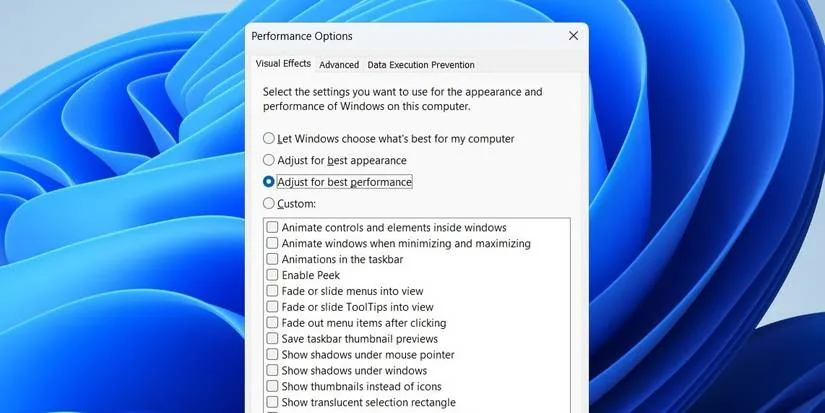
Image source: Bing (Web (fair-use with source credit))
If you’re on a laptop, also check Settings > System > Power & sleep and ensure you’re not on Power saver mode, which can throttle performance.
When to Keep Animations (And How to Optimize Them)
Animations aren’t all bad. On modern hardware, they make the OS feel smoother and more responsive. The key is balancing visuals with performance.
If your PC has:
- 8GB+ RAM
- A dedicated GPU (or a recent integrated one like Intel Iris Xe)
- An SSD
You can likely keep animations enabled. To optimize:
- Reduce the refresh rate if you’re on a high-Hz display (120Hz+ can strain older GPUs).
- Update your GPU drivers from the manufacturer’s site (NVIDIA, AMD, or Intel).
- Close background apps that hog resources (check Task Manager for culprits).
Image source: Bing (Web (fair-use with source credit))
Common Mistakes That Make It Worse
Some fixes do more harm than good. Avoid these pitfalls when tweaking animations.
Using third-party "optimization" tools can break system files. Stick to built-in Windows settings for reliability. Overclocking your GPU to handle animations better often causes instability instead.
Disabling all visual effects can make Windows harder to use. Some animations provide useful feedback, like loading indicators. Ignoring driver updates leaves performance on the table, as outdated GPU drivers struggle with modern effects.
Frequently Asked Questions
Do animations actually improve performance in any way?
No, animations don’t boost performance. They only add visual polish. On capable hardware, they make the OS feel smoother but don’t speed up tasks.
Can I disable animations without losing all visual effects?
Yes. In Performance Options, you can uncheck specific animations while keeping others. This lets you keep useful feedback like progress bars.
Why do animations work fine on my friend’s PC but not mine?
Hardware differences matter. Your friend’s PC likely has a better GPU, more RAM, or an SSD. Windows 11 animations demand more from older or budget systems.
Will disabling animations save battery on my laptop?
Yes. Animations use GPU and CPU resources, which drain battery faster. Disabling them can extend laptop runtime, especially on integrated graphics.
Is there a way to test if animations are the real issue?
Open Task Manager during animations. If CPU or GPU usage spikes, animations are likely the culprit. If RAM or disk usage is maxed, the problem is elsewhere.

Similar Posts